
Hi.My name is Selfless.I am runing a company which focus on online game products and services.
I am intrested in the guest posts/articles that you are post on the private blogs & private sites.
Advanced Defensive and Offensive Secrets in College Football 26
In College Football 26 (College Football 26), high-level play is less about raw stick skill and more about understanding hidden mechanics, pre-snap structure, and rapid post-snap decision rules, along with broader team-building considerations such as when players choose to buy College Football 26 Coins to strengthen their roster and improve overall competitive consistency. The five concepts below break down how top players consistently generate pressure, neutralize blitz-heavy defenses, and eliminate costly mistakes on both sides of the ball.
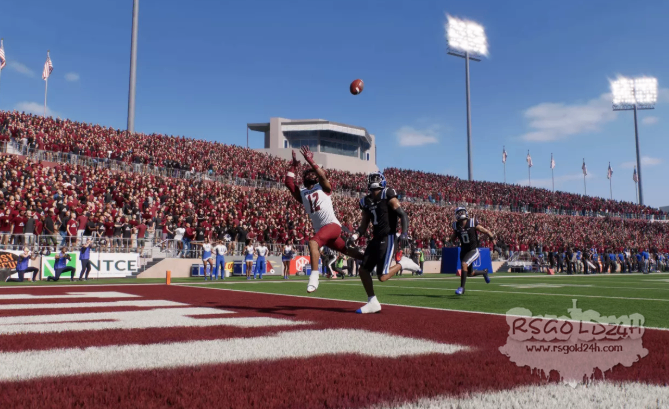
1. Instant Pressure via D-Pad Switch Overload Blitz
One of the most effective defensive tricks is creating a controlled overload and then “taking over” the correct defender post-snap using the D-pad switch mechanic.
Start in a front like 4-3 Even 6-1 from a multiple defense. Shift your defensive line to one side to force a numbers advantage (for example, 3 rushers against 2 blockers). This alone can create confusion in protection, but the real consistency comes from pairing it with assignments:
· Blitz your user-controlled defender to occupy a blocker
· Drop interior rushers into short zones (hook curl / curl flat concepts)
· Immediately switch using the D-pad after the snap to take control of a looping defender
This prevents the common “whiff” animation seen with manual right-stick switching and ensures you land on a player who can actually finish the play. The result is near-instant pressure while still maintaining coverage integrity underneath.
2. Beating Nickel Double Mug with a Three-Step Read System
Against aggressive blitz packages like Nickel Double Mug, your offense should operate on a structured IF–THEN decision tree out of Gun Trips Tight End:
IF they don’t rotate coverage
Attack immediately with a quick QB run or edge carry to exploit vacated space.
IF they show off-man or soft leverage
Throw the quick curl concept before the receiver sits down. The key is anticipation—release the ball early and “meet” the receiver on his break for maximum yards after catch.
IF they press man coverage
Convert to a mesh concept using dual drags. One route will naturally win leverage, and the ball should go to whichever side gains inside position.
This system removes guesswork and forces consistent positive yardage regardless of defensive adjustment.
3. Zone Drop Mastery and Coverage Depth Control
Zone drops are often misunderstood. They don’t universally affect all defenses—they only apply when that zone type exists in the play call.
· Flats control light blue zones
· Curl flats control purple zones
· Hooks control yellow/gray zones
For example, setting curl flats to 5 yards only matters if curl-flat zones are actually present in the coverage shell.
Two key applications:
· Early-game run defense vs short passing:
Curl flats at 5 yards in Cover 3 aggressively cut off stick routes and quick outs.
· Flood concept prevention:
In Cover 2 or Tampa 2 shells, adjusting flat depth (e.g., 25 yards) allows outside defenders to carry corner routes while curl flats handle intermediate breaks.
Mastering this system ensures your zones stop reacting passively and instead attack intended route structures.
4. Flame Icon Blitz Recognition System
A major pass protection breakthrough comes from reading the “flame icon” indicator over defenders pre-snap.
A flame icon signals a high probability blitz path. Your goal is simple:
· If the icon defender blitzes → expect immediate free rush
· If he drops → protection is likely stable
By scanning immediately after the snap, you can:
· Roll out before pressure arrives
· Adjust protection focus to hot reads
· Avoid blindside sacks caused by unaccounted rushers
This turns pass protection into a predictive system rather than reactive scrambling.
5. Trips Match Coverage (“Inside Quarter Cage” System)
Trips formations are traditionally difficult to defend because of layered route combinations. The solution is match-based coverage using an inside quarter defender.
In Cover 4 Quarters or similar match structures:
· The inside quarter defender “locks” onto the inside trips receiver
· He converts zone responsibility into man-like coverage post-snap
· Sideline leverage acts as an extra defender
This is especially effective against corner-post and flood concepts, as the inside quarter carries vertical or breaking routes across the field while safeties and curl flats handle complementary threats.
However, it should not be spammed every play, as motion and route switches can pull defenders out of assignment integrity.
Final Takeaway
Success in College Football 26 (College Football 26) comes from combining mechanical execution with structural decision-making, and for some players that also extends into squad-building progression decisions like when to invest in cheap CFB 26 Coins to improve roster depth and matchup consistency. Whether you’re generating instant sacks through overload switching, reading blitz indicators, or enforcing strict IF–THEN offensive rules, each concept reduces randomness and increases control.
Players who internalize these systems don’t just react faster-they force the game into predictable outcomes where every snap has a defined advantage state.
ABOUT ME
BANNER

RECENTLY READ
-
Elden Ring: Crystal Cave Moss
Jun-06-2026 PST /Elden Ring